

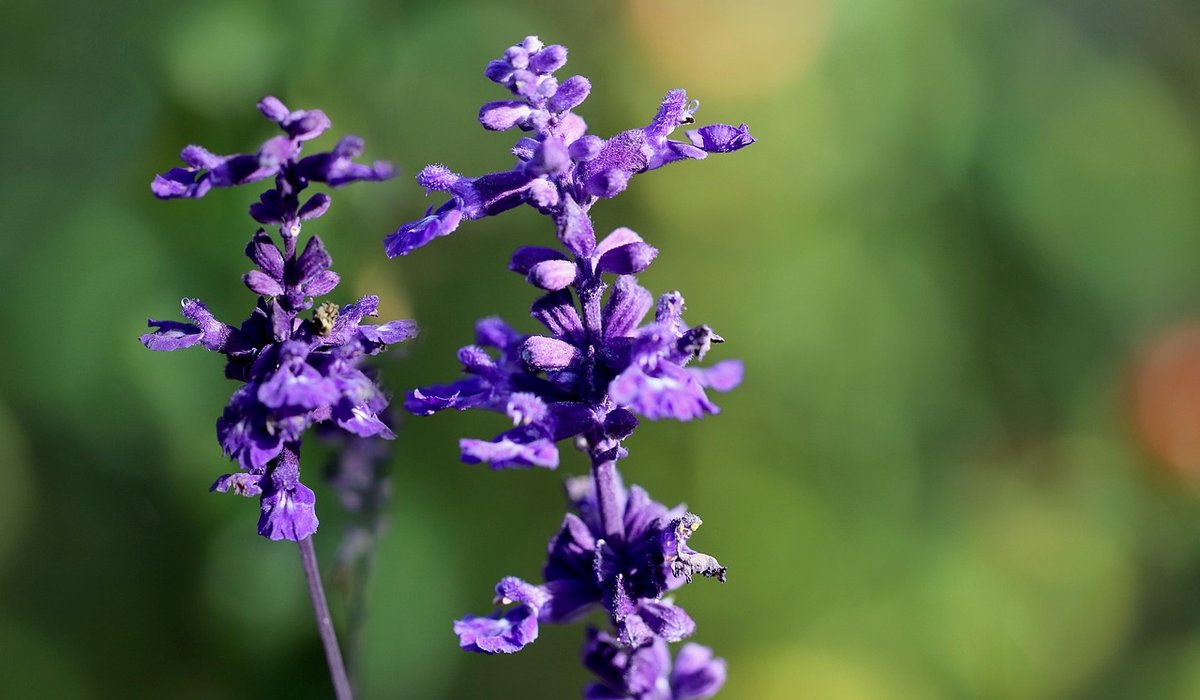
Why Mint Wanders
Mint is one of the most rewarding herbs you can grow in a British garden. It comes back reliably every spring, it shrugs off neglect, and a single plant will give you more leaves than you could reasonably eat. The trouble is that it does all of this a little too enthusiastically.
Unlike clump-forming herbs such as thyme or oregano, mint spreads by runners — creeping stems that travel just below the surface of the soil, throwing up new shoots as they go. Left to its own devices, a healthy plant can extend a metre in a single growing season, threading itself between neighbouring plants and popping up in the middle of your lawn. Above ground, trailing stems root wherever they touch bare soil.
None of this makes mint a thug. It is simply doing what mint does. The trick is to decide at planting time whether you want a neat clump or a spreading carpet — and then to make that decision stick.
Method One: The Sunk Pot
This is the classic solution, and it works beautifully in almost any garden. Choose a generous container — at least 30cm across and 25cm deep, because cramped mint sulks and dries out quickly. Terracotta or sturdy plastic both work.
Dig a hole in your border or herb bed and sink the pot into it so that the rim sits 2–3cm above soil level. That small lip is the whole point: runners travelling along the surface will meet the rim and stop rather than sliding over into open ground. Fill the pot with a good multi-purpose compost, plant your mint, and water it in well.
If your pot has drainage holes, that is fine — roots rarely escape through them in useful numbers, though you can sit the pot on a piece of slate if you are worried. What you must not do is knock the bottom out, which defeats the object entirely.
Every two or three years, lift the pot in spring or autumn, tip the plant out, tear the rootball into two or three pieces and replant one piece with fresh compost. Old, congested mint loses flavour and vigour.
Method Two: A Bed of Its Own
If you have the space, giving mint a dedicated patch is even simpler. A separate bed edged with paving slabs or a buried barrier works well — the barrier wants to be around 30cm deep to catch the deeper runners.
Raising the bed slightly, or siting it on a paved area, makes containment almost effortless. Alternatively, grow mint in a large pot on the patio, standing clear of other containers. Keep it away from mixed herb pots and window-boxes, where it will happily strangle the parsley and chives sharing its space.
One warning worth repeating: never add mint roots or runners to the compost heap. They will survive the process. Bin them, or leave them on a hard surface to shrivel in the sun before composting.
Water, Light and Feeding
Mint is a plant of damp ground, so treat it differently from Mediterranean herbs.
- Moisture: keep the compost reliably damp. Container mint may need watering daily in a hot spell; a saucer underneath helps hold reserves.
- Position: partial shade suits it best, though it will take full sun provided the soil never dries out completely.
- Feeding: a dilute liquid seaweed feed every three or four weeks through the growing season keeps container plants leafy. Garden mint in decent soil rarely needs anything.
- Mulching: a layer of garden compost around the plant in late spring locks in moisture and saves you watering.
Harvesting as Control
Regular picking is not just about having leaves to hand — it is one of the most effective ways to keep mint manageable.
- Cut stems back by up to two-thirds, taking the top growth and leaving a few pairs of leaves. Do this little and often through spring and summer.
- Pinch out the tips every week or so to encourage bushy growth rather than long, leggy stems.
- Remove flower buds as soon as you see them. Once mint flowers, the leaves turn bitter and growth slows.
- If a plant looks tired in midsummer, cut it back hard to about 5cm and water well. It will regrow fresh within a fortnight.
- Walk your beds in spring and autumn and dig out any wandering runners, following each one back to its source.
After the first frosts the foliage dies back. Cut the stems down and the plant will sit quietly underground until March.
Choosing and Using Your Crop
Varieties differ enough to be worth growing two or three in separate pots, since they cross readily and lose their distinct character when grown together. Spearmint is the classic culinary choice, peppermint makes the strongest tea, and apple, pineapple and chocolate mints are gentler and sweeter.
Pick in the morning once the dew has dried, when the oils are at their best. Use the leaves fresh in salads, mint sauce, new potatoes and peas. For a simple infusion, pour boiling water over a small handful of leaves, cover and steep for five minutes — a pleasantly settling drink after a heavy meal. Freeze chopped leaves in ice-cube trays, or dry whole sprigs in a paper bag somewhere warm and dark.
Grown with a little discipline, mint earns its place many times over. Contain it once, at the start, and you will spend the rest of the season simply enjoying it.




John Doe
14 January, 2022Having no content in post should have adverse..
Chauffina Carr
10 April, 2022We use these tests all time! Killer stuff!
Jim Séchen
16 July, 2022Thanks for all the comments, everyone!