

Why Dry Hands Need More Than Lotion
By the time January arrives, most of us know the feeling: tight, cracked skin across the knuckles, a stinging sensation when we wash our hands, and nails that seem to split at the slightest excuse. Central heating, cold winds, frequent hand-washing and hours spent outdoors all strip the natural oils that keep skin supple. A water-based lotion evaporates quickly and can even sting on broken skin. What sore hands really want is a protective barrier — something rich, plant-based and long-lasting that sits on the surface and gives the skin a chance to repair itself.
That is exactly what a herbal salve does. It is a simple blend of herb-infused oil and beeswax, and once you have made your first batch you will wonder why you ever paid for a tiny tube of the shop-bought equivalent. Better still, you can grow or forage the herbs yourself, which makes it one of the most satisfying projects in a kitchen herbalist's year.
Choosing Your Herbs: Calendula and Plantain
Two herbs do the heavy lifting here, and both are easy to grow in a UK garden, allotment or even a large window box.
- Calendula (pot marigold) is the classic skin herb. Sow it in April or May, and it will flower from early summer right through to the first frosts. Pick the petals on a dry morning, spread them on a tray and let them dry somewhere warm and airy for a week or two. Calendula is traditionally used for chapped, cracked and irritated skin.
- Plantain (the broad-leaved kind, Plantago major) grows almost everywhere — in lawns, on verges and between paving stones. Pick leaves from clean ground well away from roads and dog-walking routes, and dry them as above. It is a wonderfully soothing herb for rough, weathered skin.
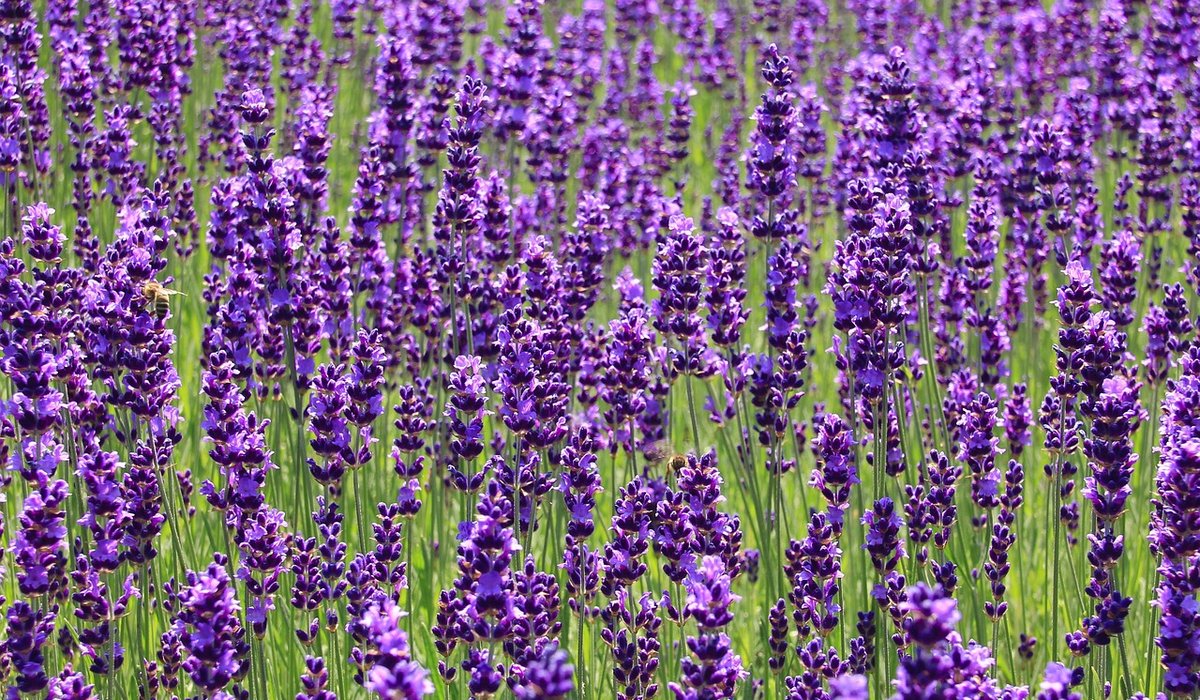
You can use either herb on its own or combine them in roughly equal parts. A tablespoon of dried chamomile flowers added to the jar lends a gentle calm, and a few dried lavender buds give a soft scent if you like your balms aromatic.
Making the Infused Oil
The infusion is the slow, patient part, and it is worth doing properly. You need a clean, dry glass jar with a lid, your dried herbs, and a mild carrier oil. Sunflower, rice bran, sweet almond and light olive oil all work well; avoid anything with a strong smell of its own.
Fill the jar loosely to about three-quarters with dried herb — do not pack it down. Pour over enough oil to cover the herb by a good 2cm, then stir gently with a clean skewer to release trapped air bubbles. Lid on, and leave in a warm spot for three to four weeks, shaking daily. A sunny windowsill is ideal in summer; in winter, sit the jar near (not on) a radiator.
If you would rather not wait, use the gentle-heat method. Stand the jar in a saucepan of water over the lowest possible heat — you want the oil at roughly 60–70°C, warm to the touch but never sizzling — for two to three hours. Alternatively, use a slow cooker on its keep-warm setting.
When the time is up, strain through a double layer of muslin into a clean jug, squeezing the herb to release every last drop. Decant into a sterilised bottle. Labelled and stored somewhere cool and dark, the oil keeps for around twelve months.
Turning Oil into Salve with Beeswax
Now for the quick bit. The ratio that suits most hands is 100ml of infused oil to 12g of beeswax, which gives a firm but spreadable balm. Beeswax pastilles melt more evenly than a block, but if you are using a block, grate it first.
Combine the oil and wax in a heatproof bowl set over a pan of simmering water, and stir until the wax has completely disappeared. Then do the saucer test: drip a little onto a cold plate, wait a minute, and rub it between your fingers. Too soft? Add another 2g of wax. Too stiff and draggy? Stir in a little more oil. This test is the difference between a balm you love and one that sits unused in a drawer.
Once you are happy, take the bowl off the heat. If you want to add a few drops of essential oil — lavender, chamomile or frankincense are all lovely for winter skin — let the mixture cool for a minute first, then stir them through. Heat drives off the fragrance, and some oils are far too potent for cracked skin in any great quantity; ten to fifteen drops per 100ml is plenty.
Pouring, Setting and Storing Your Tins
Warm your tins slightly before pouring — a minute in a low oven is enough — so the salve flows right to the edges without setting halfway. Pour steadily, leave to set undisturbed for a few hours, then lid and label with the date.
Keep a small tin by the kitchen sink, one in your handbag and one in the car. Use a little after every hand-wash, massaging it into the knuckles and around the nail beds, and again before bed with cotton gloves over the top if your hands are badly split. A 100ml batch fills roughly six 15ml tins, so there is plenty to share.
Variations and Everyday Uses
Once you are confident with the basic method, it becomes endlessly adaptable. A tablespoon of cocoa butter stirred in at the melting stage makes it richer; a teaspoon of vitamin E oil helps preserve it and adds its own skin benefits. The same recipe works beautifully on heels, elbows, lips and gardener's hands, and it makes a genuinely welcome gift wrapped with a handwritten label.
Do keep a note of what you used and when, and patch-test on a small area of skin first if you are trying a new herb. A good salve is not a cure-all, but it is a small, dependable comfort — and there is something quietly satisfying about a tin of balm made from flowers you grew yourself.




John Doe
14 January, 2022Having no content in post should have adverse..
Chauffina Carr
10 April, 2022We use these tests all time! Killer stuff!
Jim Séchen
16 July, 2022Thanks for all the comments, everyone!