

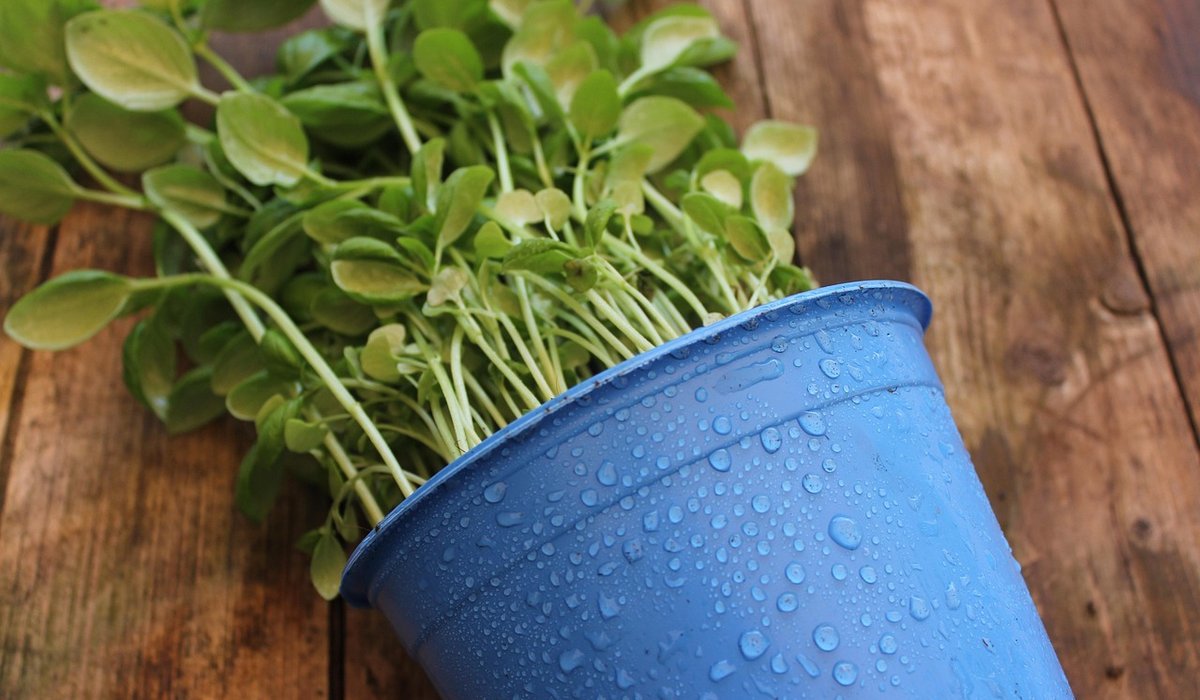
Why herbs make the ideal cottage garden partner
Cottage gardening has always been about abundance rather than precision. Think of the plants that traditionally filled those borders: blowsy roses, lupins, sweet williams, self-seeding annuals jostling for space. It is a style built on generosity, and it suits anyone who would rather potter than prune. Herbs fit that picture perfectly. They bring colour, scent and texture, they are almost all attractive to pollinators, and the tough Mediterranean types in particular thrive on a bit of neglect. Rosemary, lavender, thyme and oregano would rather be left alone in poor, gritty soil than fussed over with watering cans and liquid feed.
The trick is to combine the romantic look of loose planting with a backbone of shrubby herbs that hold the border together through winter. Get that balance right and you will have a border that looks after itself for most of the year.
Sort the soil and the site before you plant
Almost all the problems people have with woody herbs come down to drainage and shade. Rosemary sulking, lavender going leggy and bare in the middle, thyme rotting off over winter: this is nearly always wet roots, not cold weather.
So pick the sunniest spot you have, ideally a south or west-facing border that gets six hours or more of direct light. Then improve the drainage before you plant anything:
- Dig in two or three handfuls of horticultural grit per square metre, plus a little well-rotted compost for structure rather than richness.
- On heavy clay, plant woody herbs on a slight mound so water runs away from the crown.
- If your soil is really sticky, grow thyme, oregano and winter savory in a raised bed or a gravel-topped strip along a path instead.
- Aim for a soil pH around neutral to slightly alkaline. Lavender and rosemary both prefer it.
Richer soil is fine for the leafy herbs — parsley, chives, mint, lovage — but keep them in a separate patch or container so they are not sharing a bed with the sun-worshippers.
Six hardy herbs that earn their place
Choose plants that will still be there in three years' time without any mollycoddling. A good starting palette:
- Rosemary — upright forms make an excellent informal hedge along the back of a border; allow about 90cm between plants. Evergreen, drought-proof once established, and the flowers feed early bees in April and May.
- English lavender — look for Lavandula angustifolia cultivars rather than the French types, which are less hardy. Space them 45cm apart and they will knit into a low silver-blue hedge.
- Thyme — the perfect front-of-border edger. Golden and variegated forms add colour, and creeping thymes will spill over a gravel path.
- Oregano and marjoram — marjoram has a looser, softer habit that suits cottage planting. Leave the faded flowerheads on and they will seed about gently.
- Sage — purple and tricolour forms are as ornamental as any shrub. Give it 60cm and cut it back lightly each spring.
- Chives — clumps of slim leaves topped with pink pom-poms in early summer, and one of the few herbs happy in a bit of shade.
Fill the gaps with self-seeders: borage, calendula, feverfew, nasturtium and dill. They cost almost nothing, appear where they like, and give the border that lovely careless feel.
Plant it so it fills itself
Resist the urge to plant in tidy rows. Group in threes and fives, with the tallest herbs at the back — rosemary, fennel, lovage — medium plants such as lavender and sage in the middle, and thymes and marjoram tumbling forward. Leave 30–40cm between smaller herbs at planting time; they will close up within two seasons.
The single best low-maintenance trick is a gravel mulch. A 5cm layer of pea gravel or horticultural grit over the whole border suppresses weeds, keeps the foliage dry around the collar of the plant, and reflects light up under the leaves. It looks smart immediately and saves hours of hand-weeding every summer.
Water new plants through their first summer only. After that, deep-rooted herbs should be left to fend for themselves.
Let the wildlife do some of the work
An open, sun-baked herb border is one of the best habitats you can offer pollinators. Lavender and borage are magnets for bumblebees, oregano and thyme draw in hoverflies and small solitary bees, and fennel and dill bring in parasitic wasps that help keep aphids in check.
Leave the seedheads standing over winter. Fennel, dill and teasel provide food for goldfinches, while hollow herb stems and the odd undisturbed corner give overwintering insects somewhere to shelter. Simply cut everything back in early March rather than autumn, and take the debris to the compost heap then.
The small amount of care it does need
Low maintenance is not no maintenance. Twenty minutes in late summer and another half-hour in spring is realistically all this border asks for.
- Late August: shear lavender over lightly once the flowers fade, taking off the flower spikes and a couple of centimetres of leaf. Never cut into the old, bare wood — it rarely regrows.
- After flowering: trim rosemary and sage lightly to keep them bushy. Avoid hard pruning in autumn.
- Spring: cut thyme and winter savory back by about a third to stop them going woody. Pull out any dead plants and drop in replacements — most herbs are cheap and quick to establish.
- Every few years: lift and divide chives and marjoram in autumn to keep them vigorous.
- Contain the thugs: keep mint in a sunken pot, and plant fennel with its taproot in mind, as it resents being moved.
Do that much and the border will reward you with scent on a warm evening, cut stems for the kitchen, and a hum of bees from spring right through to the first frosts.






John Doe
14 January, 2022Having no content in post should have adverse..
Chauffina Carr
10 April, 2022We use these tests all time! Killer stuff!
Jim Séchen
16 July, 2022Thanks for all the comments, everyone!