

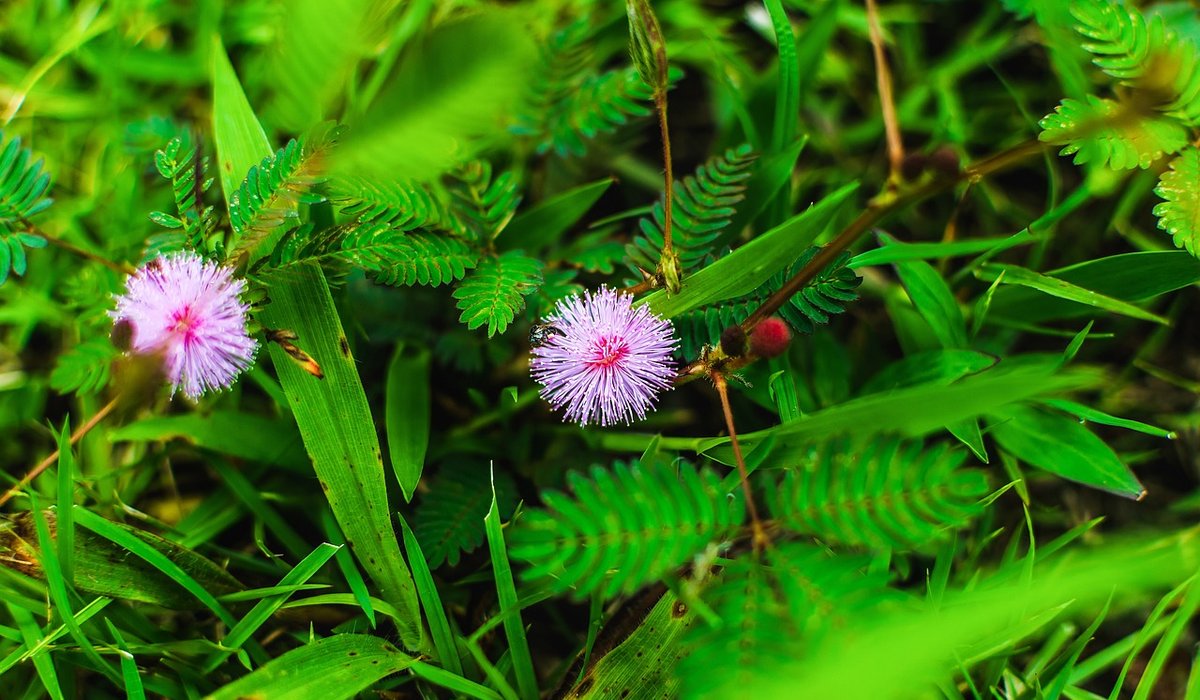
Start with a Good Field Guide, Not Guesswork
Foraging for wild greens is one of the most grounding pleasures a garden or country walk can offer. A handful of nettle tops for soup, a few dandelion leaves for a peppery salad, or the unmistakable scent of wild garlic in spring can connect you to a place in a way that supermarket shelves never will. But the first rule of any foraging trip is simple: never eat anything unless you are completely certain what it is.
A good field guide is your most important tool. Choose one with clear photographs or botanical illustrations, showing the plant at different stages of growth, plus its close lookalikes. Learn one plant at a time, in its proper season, and cross-check several features before you pick. Leaf shape, leaf arrangement, stem texture, smell, flower, and habitat all matter. If a guide says a plant has opposite leaves and you are looking at alternate ones, stop. If in doubt, leave it out.
- Check the whole plant, not just one leaf.
- Look at both sides of the leaf and the stem.
- Use your nose where safe to do so — smell is a powerful clue.
- Visit the same patch through the seasons to learn how it changes.
Stinging Nettles: The Sting Is Your Friend
Stinging nettle (Urtica dioica) is one of the safest wild greens for a beginner, precisely because its sting is so distinctive. The plant grows upright, often in dense patches, with opposite, deeply serrated, pointed leaves. The stems and leaf undersides carry tiny stinging hairs that release formic acid when brushed. That sting is your confirmation: no other common wild green feels quite like it.
Young nettle tops are best picked in spring, before the plants flower. Wear gloves and pinch off the top four to six leaves. Once cooked — blanched, souped, or brewed as tea — the sting disappears completely. Nettles are rich in iron, calcium, and vitamin C, and they have a deep, savoury flavour that works beautifully in soups, pesto, and omelettes. Avoid mature, flowering nettles, which can be gritty and may have a laxative effect.
Do not confuse nettles with dead-nettles, which look similar but have no sting. Dead-nettles are edible, but they are not the same plant. The sting is the easiest identification feature you will ever get, so use it.
Dandelions: Familiar but Worth a Second Look
Dandelion (Taraxacum officinale) is so common that many people overlook it, yet it is a superb wild green. Look for a flat rosette of deeply toothed leaves with jagged, backward-pointing lobes. Break a leaf and you will see milky white sap. The flower stem is hollow, smooth, and carries a single yellow flower that turns into the familiar clock of seeds. Every part of the dandelion is edible: leaves, buds, flowers, and roots.
Young leaves are less bitter and make a fine addition to salads, while older leaves are better cooked. The roots can be roasted and ground as a coffee substitute. Dandelion leaves can be confused with cat’s ear and hawkweed, which are not seriously toxic but can cause stomach upset. Cat’s ear has hairy leaves and a solid, hairy flower stem, while dandelion leaves are generally hairless and its flower stem is hollow. Check for milky sap and the hollow stem before you pick.
- Leaves: deeply lobed, hairless, milky sap.
- Stem: hollow, smooth, single flower per stem.
- Flower: yellow, turning to a seed clock.
Wild Garlic: Let Your Nose Lead You
Wild garlic (Allium ursinum), also called ramsons, is a spring woodland treasure. Its broad, soft, lance-shaped leaves grow in damp shade, often carpeting the ground beneath trees. When it flowers, you will see clusters of white, star-shaped blooms. The whole plant smells powerfully of garlic — that is your most reliable test. Tear a leaf and sniff. If it does not smell of garlic, throw it away.
This is where safety matters most. Wild garlic leaves can be confused with the leaves of lily of the valley and autumn crocus, both of which are toxic. Lily of the valley usually has two or three leaves per stem and bell-shaped white flowers, while autumn crocus has narrower leaves and appears later in the year. Neither smells of garlic. Never rely on appearance alone. If you are even slightly unsure, leave it. Wild garlic is delicious raw in sandwiches, blended into butter, or stirred through pasta, but only when identification is certain.
Where You Pick Matters as Much as What You Pick
A perfect identification means nothing if the plant is growing in a polluted spot. Busy roads are the worst offenders. Exhaust fumes, tyre particles, and lead from older petrol can settle on leaves, and roadside verges may be sprayed with herbicides. Avoid picking within at least 30 to 50 metres of a busy road, and steer clear of lay-bys, railway embankments, industrial sites, and farmland edges where pesticide drift is possible.
Other places to avoid include:
- Dog-walking routes, where fouling is common.
- Sprayed verges — look for dead or yellowing patches.
- Car parks and footpaths with heavy foot traffic.
- Anywhere with a notice about weedkiller or pest control.
Always wash your harvest thoroughly in cold water, and cook it where possible. Even safe plants can carry dirt, insects, and animal waste.
Pick Small, Pick Kind, and Enjoy the Wellbeing
Foraging is not about stripping a patch bare. Take a little from many plants, never the whole clump, and leave the roots and flowers so the plant can regenerate and pollinators can feed. Nettles, dandelions, and wild garlic are generous, but they still deserve respect. A small handful of nettle tops makes a pot of tea; a few wild garlic leaves perfume a whole dish of butter.
The wellbeing benefits are as real as the vitamins. Foraging slows you down, sharpens your senses, and ties you to the turning of the year. You notice the first nettle shoots, the dandelion clocks, the sudden green haze of wild garlic in April. With a good field guide in your pocket, a healthy dose of caution, and a firm rule against picking beside busy roads, you can enjoy these wild greens safely and warmly — one careful, confident identification at a time.



John Doe
14 January, 2022Having no content in post should have adverse..
Chauffina Carr
10 April, 2022We use these tests all time! Killer stuff!
Jim Séchen
16 July, 2022Thanks for all the comments, everyone!